
What is BFSI: Testing Guide for 2025 Explained
- Gunashree RS
- Jul 22, 2025
- 8 min read

The Banking, Financial Services, and Insurance (BFSI) domain represents one of the most complex and critical sectors in software testing and application development. As we advance through 2025, understanding what BFSI entails from a technical perspective becomes essential for QA professionals, developers, and software engineers working in this highly regulated industry. This comprehensive guide explores BFSI testing, applications, domain concepts, and the technical challenges that make this sector unique.

What is BFSI: A Technical Domain Overview
BFSI stands for Banking, Financial Services, and Insurance - representing a specialized domain in software testing and application development. From a technical standpoint, BFSI encompasses applications, systems, and platforms that handle financial transactions, customer data, regulatory compliance, and risk management processes.
Unlike general software applications, BFSI systems operate within a heavily regulated environment where security, accuracy, and compliance are paramount. These applications must handle sensitive financial data, process millions of transactions daily, and maintain 24/7 availability while adhering to strict regulatory requirements.
The BFSI domain falls under the YMYL (Your Money Your Life) category, meaning these applications directly impact users' financial well-being and personal security. This classification brings additional responsibility and complexity to software development and testing processes.
Understanding BFSI Applications and Their Complexity
Core BFSI Application Types
BFSI applications span multiple categories, each with unique technical requirements and testing challenges:
Banking Applications:
Core banking systems manage customer accounts and transactions
Online banking portals and mobile banking applications
ATM software and card transaction processing systems
Payment gateway integrations and digital wallet platforms
Credit management and loan processing applications
Financial Services Applications:
Investment management platforms and trading systems
Wealth management applications and portfolio trackers
Financial planning and advisory software
Tax preparation and compliance management systems
Risk assessment and regulatory reporting applications
Insurance Applications:
Policy management systems and customer portals
Claims processing and settlement platforms
Underwriting and risk assessment applications
Agent management and commission tracking systems
Actuarial calculation and pricing engines
Technical Complexity Factors
BFSI applications are inherently complex due to several technical factors:
Data Sensitivity and Security Requirements:
Handling of personally identifiable information (PII) and financial data
Implementation of encryption, tokenization, and secure data storage
Multi-factor authentication and biometric security integration
Compliance with data protection regulations like GDPR and PCI DSS
Integration Challenges:
Connectivity with external payment gateways and financial networks
Integration with government databases and regulatory systems
Real-time data synchronization across multiple platforms
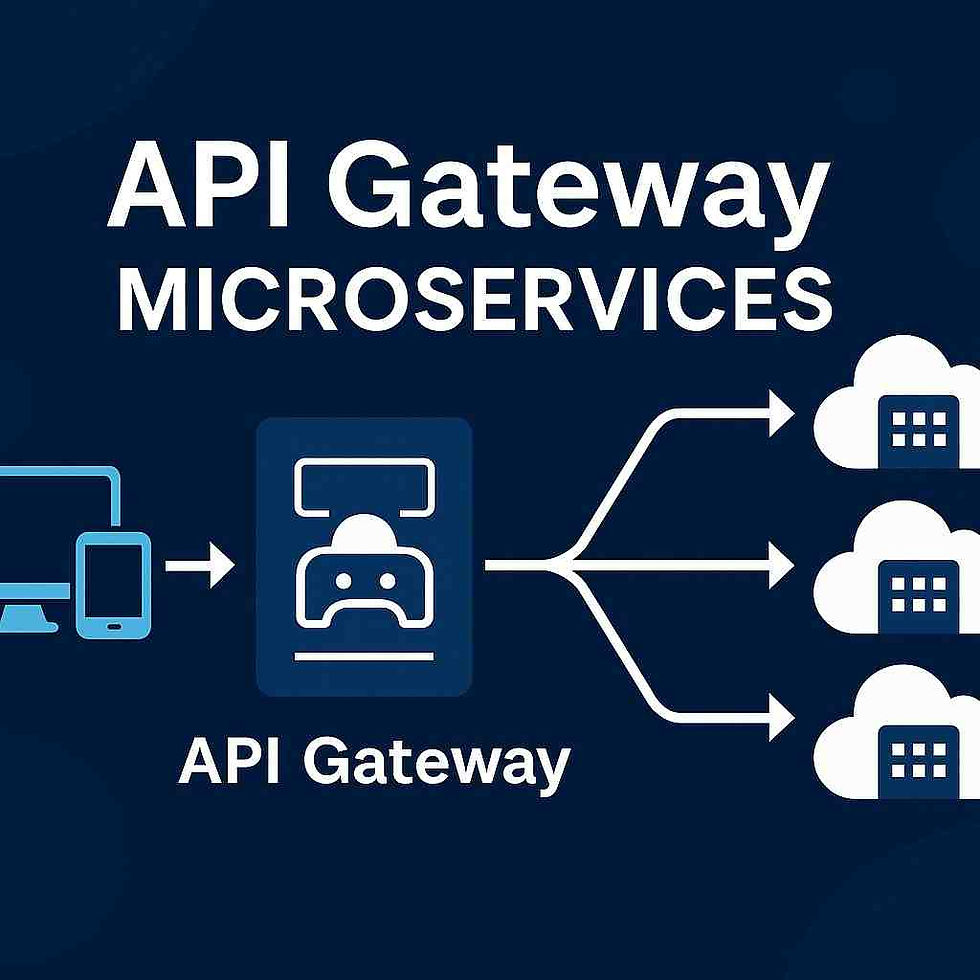
API management and third-party service integrations
Performance and Scalability Demands:
Processing millions of transactions simultaneously
Maintaining sub-second response times for critical operations
Handling peak loads during business hours and seasonal spikes
Ensuring zero-downtime deployments and disaster recovery
Basic Concepts in the BFSI Domain
Essential Banking Concepts for Technical Teams
Understanding fundamental banking concepts is crucial for effective BFSI application development and testing:
Account Management:
Different account types (savings, checking, fixed deposits, loans)
Account lifecycle management and status transitions
Interest calculation methods and compound interest logic
Account linking and relationship management
Transaction Processing:
Real-time gross settlement (RTGS) and batch processing
Transaction validation and authorization workflows
Reconciliation processes and settlement mechanisms
Fraud detection and prevention algorithms
Payment Systems:
Electronic fund transfer mechanisms (NEFT, IMPS, UPI)
Credit and debit card processing workflows
Mobile payment integration and digital wallet operations
International payment processing and currency conversion
Financial Services Domain Knowledge
Investment and Portfolio Management:
Asset allocation strategies and rebalancing algorithms
Risk profiling and suitability assessments
Performance calculation and benchmark comparisons
Regulatory reporting and compliance tracking
Wealth Management Processes:
Client onboarding and KYC (Know Your Customer) procedures
Goal-based financial planning and projection models
Tax optimization strategies and tax-loss harvesting
Estate planning and succession management
Insurance Domain Fundamentals
Policy Management:
Policy issuance, renewal, and cancellation processes
Premium calculation and payment processing
Coverage determination and benefit calculations
Policy servicing and customer communication
Claims Processing:
Claim registration and documentation workflows
Damage assessment and investigation procedures
Settlement calculation and payment authorization
Fraud detection and prevention in claims
Underwriting and Risk Assessment:
Risk evaluation models and scoring algorithms
Actuarial calculations and pricing methodologies
Reinsurance arrangements and risk transfer mechanisms
Regulatory compliance and solvency requirements
BFSI Testing: Specialized Approach and Methodologies
What is BFSI Testing?
BFSI testing refers to specialized software testing activities conducted specifically for applications and systems in the banking, financial services, and insurance sectors. The primary goal is to ensure these applications meet stringent quality standards, security requirements, and regulatory compliance while delivering optimal user experience.
Key Testing Challenges in BFSI
Regulatory Compliance Testing:
Verification of adherence to financial regulations (Basel III, Solvency II)
Anti-money laundering (AML) and Know Your Customer (KYC) compliance
Data protection and privacy regulation compliance
Audit trail and reporting requirement validation
Security Testing Priorities:
Penetration testing and vulnerability assessments
Authentication and authorization mechanism validation
Data encryption and secure transmission testing
Session management and timeout functionality verification
Performance Testing Requirements:
Load testing for high-volume transaction processing
Stress testing for peak usage scenarios
Endurance testing for 24/7 operation requirements
Scalability testing for future growth projections
BFSI Testing Process and Best Practices
Domain-Specific Test Planning:
Involvement of business analysts and domain experts
Comprehensive risk assessment and test prioritization
Regulatory requirement mapping and compliance verification
Test data management with data privacy considerations
Test Case Development Strategies:
Scenario-based testing for complex business workflows
Boundary value analysis for financial calculations
State transition testing for account lifecycle management
Integration testing for external system dependencies
Test Environment Management:
Production-like environment setup with realistic data volumes
Secure test data generation and management
Environmental isolation and access control
Continuous integration and deployment pipeline setup
Technology Stack and Tools in BFSI Applications
Common Technology Platforms
Backend Technologies:
Java, .NET, and Python for enterprise applications
Mainframe systems (COBOL, JCL) for legacy banking systems
Cloud platforms (AWS, Azure, Google Cloud) for scalability
Microservices architecture for modern applications
Database Technologies:
Oracle, SQL Server, and DB2 for transactional systems
NoSQL databases for big data and analytics
In-memory databases for real-time processing
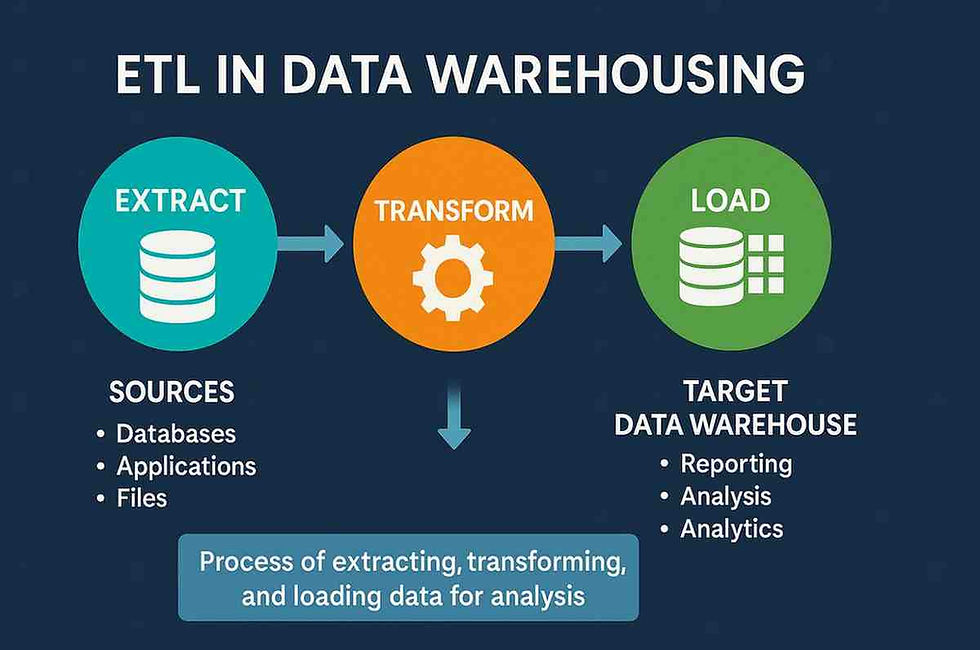
Data warehousing solutions for reporting and analytics
Security Technologies:
PKI infrastructure for digital certificates
Hardware security modules (HSMs) for key management
Tokenization and encryption solutions
Identity and access management (IAM) systems
Testing Tools and Frameworks
Functional Testing Tools:
Selenium for web application automation
Appium for mobile application testing
API testing tools like Postman and REST Assured
Database testing tools for data validation
Performance Testing Tools:
LoadRunner and JMeter for load testing
BlazeMeter for cloud-based performance testing
Application performance monitoring (APM) tools
Network performance testing solutions
Security Testing Tools:
OWASP ZAP and Burp Suite for security testing
Static application security testing (SAST) tools
Dynamic application security testing (DAST) tools
Dependency checking and vulnerability scanning tools
Regulatory Compliance and Industry Standards
Key Regulatory Frameworks
Banking Regulations:
Basel III capital adequacy requirements
Payment Card Industry Data Security Standard (PCI DSS)
Anti-Money Laundering (AML) regulations
Fair Credit Reporting Act (FCRA) compliance
Insurance Regulations:
Solvency II framework for insurance companies
International Financial Reporting Standards (IFRS)
Risk management and governance requirements
Consumer protection and fair practice guidelines
Data Protection Regulations:
Compliance Testing Approach
Regulatory Requirement Mapping:
Identification of applicable regulations and standards
Documentation of compliance requirements and controls
Test case development for regulatory validation
Continuous monitoring and compliance reporting
Audit and Documentation:
Comprehensive test documentation and evidence collection
Audit trail maintenance and regulatory reporting
Risk assessment and mitigation documentation
Compliance dashboard and monitoring systems
Career Opportunities in BFSI Domain Testing
Technical Roles in BFSI Testing
QA and Testing Positions:
BFSI domain test analysts and test engineers
Security testing specialists and ethical hackers
Performance testing engineers and capacity planners
Test automation engineers and framework developers
Technical Leadership Roles:
BFSI domain architects and solution designers
Test managers and quality assurance leads
DevOps engineers specializing in BFSI applications
Compliance and regulatory specialists
Specialized Technical Roles:
Data testing specialists and data quality analysts
API testing experts and integration specialists
Mobile testing engineers for banking applications
Accessibility testing specialists for inclusive design
Skills Required for BFSI Domain
Technical Skills:
Programming languages (Java, Python, JavaScript, SQL)
Test automation frameworks and tools
Database management and SQL proficiency
Cloud platforms and containerization technologies
Domain Knowledge:
Understanding of banking and financial processes
Knowledge of regulatory requirements and compliance
Insurance industry concepts and workflows
Risk management and security principles
Soft Skills:
Analytical thinking and problem-solving abilities
Attention to detail and accuracy
Communication and collaboration skills
Continuous learning and adaptability
Conclusion
The BFSI domain represents one of the most challenging and rewarding areas in software testing and application development. Understanding what BFSI entails from a technical perspective is crucial for professionals working in this space. The combination of complex business requirements, stringent regulatory compliance, and an advanced technology stack makes BFSI testing a specialized field requiring dedicated expertise.
As we continue through 2025, the BFSI sector will continue to evolve with emerging technologies like artificial intelligence, blockchain, and cloud computing. QA professionals and developers who invest in understanding BFSI domain concepts, testing methodologies, and regulatory requirements will find themselves well-positioned for success in this dynamic and critical industry.
Key Takeaways
• BFSI testing requires specialized domain knowledge combining technical skills with financial industry expertise
• BFSI applications are inherently complex due to regulatory requirements, security demands, and integration challenges
• Understanding basic banking, financial services, and insurance concepts is essential for effective testing
• Security testing, performance testing, and compliance testing are critical focus areas in BFSI
• The domain offers diverse career opportunities for QA professionals and developers
• Regulatory compliance and audit requirements drive many testing activities in BFSI applications
• Technology integration and digital transformation create new testing challenges and opportunities
• Continuous learning and staying updated with industry trends are crucial for BFSI domain professionals
Frequently Asked Questions
Q: What does BFSI testing involve, and how is it different from general software testing?
A: BFSI testing involves specialized testing of banking, financial services, and insurance applications. It differs from general testing due to strict regulatory compliance requirements, enhanced security testing needs, complex integration scenarios, and the need for domain-specific knowledge.
Q: What are the main challenges in BFSI application testing?
A: Key challenges include regulatory compliance verification, security testing requirements, performance testing for high-volume transactions, complex integration testing, data privacy and protection, and the need for specialized domain knowledge.
Q: What skills are essential for a career in BFSI testing?
A: Essential skills include technical testing expertise, BFSI domain knowledge, understanding of regulatory requirements, security testing capabilities, performance testing skills, and knowledge of financial processes and workflows.
Q: How important is domain knowledge in BFSI testing?
A: Domain knowledge is crucial in BFSI testing as it helps testers understand business requirements, identify relevant test scenarios, ensure compliance with industry regulations, and validate complex financial calculations and workflows.
Q: What are the common types of BFSI applications that require testing?
A: Common applications include core banking systems, online banking platforms, mobile banking apps, payment gateways, insurance policy management systems, claims processing applications, trading platforms, and regulatory reporting systems.
Q: What security testing aspects are most critical in BFSI applications?
A: Critical security testing aspects include authentication and authorization testing, data encryption validation, penetration testing, vulnerability assessments, fraud detection testing, and compliance with security standards like PCI DSS.
Q: How does regulatory compliance impact BFSI testing strategies?
A: Regulatory compliance significantly impacts testing strategies by requiring specific test cases for compliance validation, extensive documentation and audit trails, regular compliance monitoring, and adherence to industry standards and regulations.
Q: What career growth opportunities exist in BFSI domain testing?
A: Career opportunities include roles as BFSI test analysts, security testing specialists, performance testing engineers, test automation experts, compliance specialists, test managers, and domain architects with progression to leadership positions.
Article Sources
Reserve Bank of India - Guidelines on Information Security and Banking Technology
Basel Committee on Banking Supervision - International Regulatory Framework
Software Engineering Institute - Security Testing for Financial Applications
International Software Testing Qualifications Board - BFSI Testing Guidelines
NIST Cybersecurity Framework - Financial Services Implementation Guide
ISO/IEC 27001 - Information Security Management for Financial Services

After a few rounds of eggy car, I started paying much more attention to timing and momentum. Small mistakes can end a great run, which makes success feel rewarding.
Really interesting take. I’ve been exploring relationship astrology tools like synastrychart lately—it’s fascinating how two birth charts interact.
Nice post! It reminds me of games like narutodle where you try to guess characters with limited clues.
gentle waves of rhythm carry the eggy car across hills of soft light where every fragile moment becomes a quiet journey toward the horizon.
applications and systems in the banking, financial services, and insurance sectors. The primary goal is to ensure these applications meet californiasolarfresno