
Guide to Delivery Pipeline in DevOps - Best Practices & Implementation
- Gunashree RS
- Jun 10, 2025
- 6 min read

In today's fast-paced digital landscape, organizations are constantly seeking ways to deliver software faster, more reliably, and with higher quality. Enter the delivery pipeline in DevOps – a game-changing approach that has revolutionized how teams build, test, and deploy applications. Whether you're a seasoned DevOps engineer or just starting your journey, understanding delivery pipelines is crucial for modern software development success.
What Is a Delivery Pipeline in DevOps?
A delivery pipeline in DevOps represents an automated sequence of processes that takes code from development through production deployment. Think of it as a well-orchestrated assembly line where each stage adds value and ensures quality before the software reaches end users.
The continuous delivery pipeline allows organizations to map a new path using relentless improvement to deliver customer value as needed, making it an essential component of modern DevOps practices.
This automated workflow typically includes several key stages:
Source code management and version control
Automated building and compilation
Comprehensive testing at multiple levels
Security scanning and compliance checks
Deployment to various environments
Monitoring and feedback loops

Core Components of an Effective Delivery Pipeline
Continuous Integration (CI)
Continuous Integration forms the foundation of your delivery pipeline. It automatically triggers when developers commit code changes, ensuring that new code integrates smoothly with the existing codebase. This process includes:
Automated builds that compile source code into executable artifacts
Unit testing to verify that individual components function correctly
Code quality analysis using tools like SonarQube or CodeClimate
Dependency scanning for security vulnerabilities
Continuous Delivery (CD)
Building upon CI, Continuous Delivery automates the deployment process to staging and production environments. By automating CI/CD throughout development, testing, production, and monitoring phases, teams develop higher quality code, faster and more securely.
Infrastructure as Code (IaC)
Modern delivery pipelines leverage Infrastructure as Code to ensure consistent environments across the entire deployment lifecycle. This approach treats infrastructure configuration as version-controlled code, enabling reproducible deployments and reducing environment-related issues.
Building Your First Delivery Pipeline: A Step-by-Step Approach
Step 1: Planning and Design
Before diving into implementation, map out your current development workflow and identify bottlenecks. Consider these essential questions:
What testing strategies will ensure quality?
Which environments need automated deployment?
How will you handle rollbacks and failures?
What security measures must be integrated?
Step 2: Tool Selection and Setup
Choose tools that align with your technology stack and organizational needs. Popular options include:
CI/CD Platforms:
Jenkins (open-source, highly customizable)
GitLab CI/CD (integrated with version control)
Azure DevOps (Microsoft ecosystem integration)
GitHub Actions (seamless GitHub integration)
CircleCI (cloud-native solution)
Container Orchestration:
Docker for containerization
Kubernetes for orchestration
Helm for package management
Step 3: Implementation Phases
Start with a simple pipeline and gradually add complexity:
Phase 1: Basic CI with automated builds and unit tests
Phase 2: Add integration testing and code quality gates
Phase 3: Implement automated deployment to staging
Phase 4: Add production deployment with approval workflows
Phase 5: Integrate monitoring and feedback mechanisms
Essential Best Practices for Delivery Pipeline Success
Fail Fast Philosophy
The most effective manner of setting up a DevOps Test strategy is to implement one that allows tests to "fail fast". This approach identifies defects early in the pipeline, preventing issues from propagating to later stages.
Version Everything
Maintain version control for:
Application code
Configuration files
Infrastructure definitions
Database schemas
Documentation
Implement Comprehensive Testing
Structure your testing strategy in layers:
Unit tests for individual components
Integration tests for component interactions
End-to-end tests for complete user workflows
Performance tests for scalability validation
Security tests for vulnerability assessment
Monitor and Measure
Track key metrics to continuously improve your pipeline:
Build success rates
Deployment frequency
Lead time for changes
Mean time to recovery (MTTR)
Change the failure rate
Common Challenges and Solutions
Challenge 1: Complex Legacy Systems
Many organizations struggle with integrating legacy applications into modern delivery pipelines. Address this by:
Creating adapter layers for legacy systems
Implementing strangler fig patterns for gradual modernization
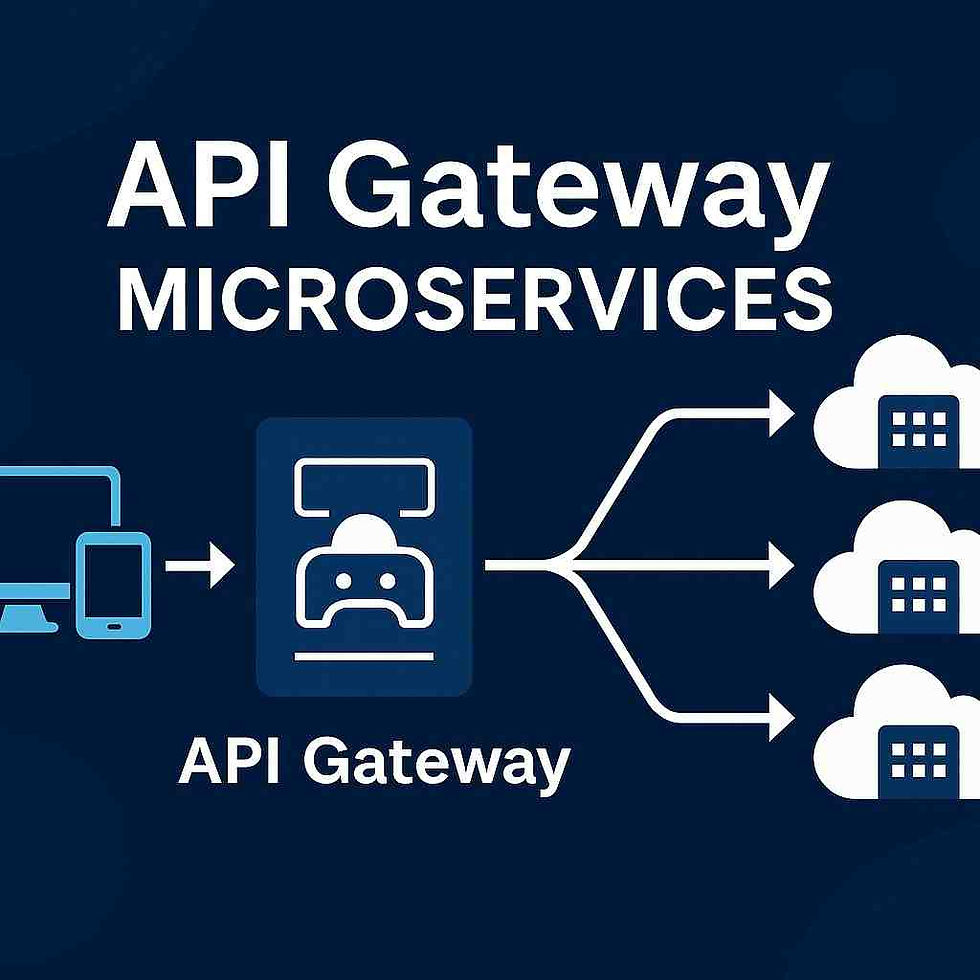
Using API gateways for seamless integration
Challenge 2: Security and Compliance
Balancing speed with security requires:
Implementing security scanning at every stage
Using policy-as-code for compliance automation
Creating secure secret management practices
Regular security audits and penetration testing
Challenge 3: Cultural Resistance
Overcoming organizational resistance involves:
Providing comprehensive training programs
Demonstrating quick wins and tangible benefits
Creating cross-functional collaboration opportunities
Establishing clear communication channels
Advanced Optimization Techniques
Pipeline Parallelization
Optimize build times by running independent stages in parallel. Teams can break down monolithic applications using frameworks and manage microservices with service meshes, enabling more efficient pipeline execution.
Artifact Management
Implement robust artifact management strategies:
Use artifact repositories like Nexus or Artifactory
Implement retention policies for storage optimization
Create immutable deployment artifacts
Maintain artifact traceability throughout the pipeline
Environment Management
Standardize environment provisioning using:
Container-based environments for consistency
Environment-specific configuration management
Automated environment cleanup and provisioning
Blue-green deployment strategies for zero-downtime releases
Measuring Success: Key Performance Indicators
Track these essential metrics to evaluate your delivery pipeline effectiveness:
Metric | Target Range | Impact |
Deployment Frequency | Daily to multiple times per day | Higher frequency indicates a mature pipeline |
Lead Time | Hours to days | Faster delivery of value to customers |
Change Failure Rate | 0-15% | Lower rates indicate better quality processes |
Mean Time to Recovery | Minutes to hours | Faster recovery improves reliability |
Frequently Asked Questions
What is the difference between continuous delivery and continuous deployment?
Continuous delivery automates the entire release process up to production deployment, but requires manual approval for production releases. Continuous deployment takes this further by automatically deploying to production once all automated tests pass.
How long does it take to implement a delivery pipeline?
Implementation timelines vary significantly based on complexity, team size, and existing infrastructure. Simple pipelines can be set up in days, while enterprise-wide implementations may take several months to complete.
What skills are needed to manage delivery pipelines?
Essential skills include an understanding of version control systems, automation tools, cloud platforms, containerization, scripting languages, and security best practices. Team collaboration and problem-solving abilities are equally important.
How do delivery pipelines improve software quality?
Delivery pipelines improve quality through automated testing at multiple stages, consistent deployment processes, early detection of issues, and rapid feedback loops that enable quick fixes.
Can delivery pipelines work with legacy applications?
Yes, delivery pipelines can be adapted for legacy applications through incremental modernization approaches, API integration layers, and gradual migration strategies.
What are the most common pipeline failures?
Common failures include test failures, environment configuration issues, dependency conflicts, network connectivity problems, and insufficient resource allocation.
How do you secure delivery pipelines?
Secure pipelines through encrypted communications, secure credential management, regular security scanning, access controls, audit logging, and compliance automation.
What tools are essential for delivery pipelines?
Essential tools include version control systems (Git), CI/CD platforms (Jenkins, GitLab), containerization (Docker), orchestration (Kubernetes), monitoring tools, and security scanners.
Conclusion
Implementing an effective delivery pipeline in DevOps transforms how organizations develop and deploy software. By automating repetitive tasks, ensuring consistent quality checks, and enabling rapid feedback loops, delivery pipelines become the backbone of successful DevOps initiatives.
The journey to pipeline mastery requires careful planning, gradual implementation, and continuous improvement. Start small, focus on automation, and gradually expand your pipeline capabilities as your team gains confidence and expertise.
Remember that the most successful delivery pipelines are those that evolve with your organization's needs while maintaining focus on reliability, security, and speed. Invest time in proper setup, monitoring, and optimization to realize the full potential of your DevOps delivery pipeline.
Key Takeaways
• Start Simple: Begin with basic CI/CD and gradually add complexity as your team matures
• Automate Everything: Reduce manual intervention through comprehensive automation strategies
• Implement Fail-Fast Testing: Detect and fix issues early in the development cycle
• Monitor Continuously: Track key metrics to identify improvement opportunities
• Security First: Integrate security scanning and compliance checks throughout the pipeline
• Version Control All Assets: Maintain versioning for code, configurations, and infrastructure
• Foster Collaboration: Break down silos between development and operations teams
• Measure Success: Use data-driven approaches to optimize pipeline performance
• Plan for Scalability: Design pipelines that can grow with your organization's needs
• Invest in Training: Ensure team members have the necessary skills for pipeline management

The way you describe the delivery pipeline as an automated sequence that enhances quality before deployment truly resonates. Implementing continuous integration is indeed a crucial first step that many teams overlook. As someone who has navigated the intricacies of development workflows, I find that understanding these processes can significantly streamline project timelines. It reminds me of how integrating gamified elements, like in Scooby Doo Creepy Run, can also improve engagement during development phases.
Qua nhiều lần quan sát 88 M, mình thấy hệ thống duy trì cách tổ chức nội dung khá nhất quán giữa các phiên truy cập khác nhau. Những chuyên mục như bắn cá, xổ số và thể thao được phân chia hợp lý nên việc tìm kiếm diễn ra nhanh hơn. Mình thấy giao diện có độ thoáng vừa phải, các chức năng hiển thị rõ ràng nên người mới cũng dễ làm quen. Trong lúc trải nghiệm mình thử bắn cá và xổ số thì tốc độ tải khá ổn định, thao tác điều hướng giữa các khu vực diễn ra mượt nên trải nghiệm tổng thể tương đối liên tục và dễ theo dõi
Trong quá trình khám phá giao diện của F8bet, mình nhận thấy nền tảng này tổ chức các khu vực nội dung theo trình tự khá rõ ràng, giúp việc theo dõi trở nên thuận tiện hơn. Những danh mục như thể thao, casino live, slot game, game bài và bắn cá được bố trí tách biệt nên người dùng có thể nhanh chóng xác định khu vực mong muốn. Mình thấy cách xây dựng này góp phần giảm số bước thao tác khi chuyển đổi giữa nhiều chuyên mục và tạo cảm giác gọn gàng hơn. Trong suốt quá trình trải nghiệm, tốc độ phản hồi được duy trì ổn định, các thao tác diễn ra khá mượt trên…
Trong số những hệ thống mình từng quan sát, lucky88 tạo cảm giác khá cân bằng giữa độ rộng nội dung và cách tổ chức. Nền tảng không chỉ sở hữu nhiều chuyên mục mà còn duy trì sự tách biệt tương đối rõ giữa các khu vực. Điều này giúp người xem dễ xác định đâu là nhóm sản phẩm mình quan tâm. Khi số lượng nội dung ngày càng tăng, việc giữ được cấu trúc rõ ràng thường quan trọng không kém việc bổ sung thêm tính năng mới. Đây là điểm mình thường chú ý khi khảo sát các hệ sinh thái đa danh mục.
Một điều mình để ý ở xoso66 là chuyên mục thể thao được đầu tư khá rộng với nhiều bộ môn khác nhau thay vì chỉ tập trung vào bóng đá. Đây là dạng nội dung mình thường quan tâm khi tìm hiểu một nền tảng vì nó giúp quá trình theo dõi có thêm nhiều lựa chọn hơn. Điều mình chú ý thêm là các giải đấu được sắp xếp khá rõ theo từng nhóm riêng nên nhìn tổng thể khá dễ theo dõi. Với mình, những chi tiết như vậy thường giúp việc làm quen với hệ thống diễn ra tự nhiên hơn và không mất nhiều thời gian tìm kiếm.